Live · Free · No sign-up

Go live with an astronaut.

Step inside a real conversation with the people who've been to space. Ask anything. They look you in the eye and answer — in their own voice, on your screen.

Pick your astronaut

Walk on the Moon with Apollo. Fly the Shuttle. Command Artemis II. Choose who you want to talk to.

Ask anything, live

No script. No waiting. Type the question on your mind and hit send.

Hear them answer you

Watch them reply on video — same voice, same face, in real time.

Pick who you want to talk to

See the full crew →
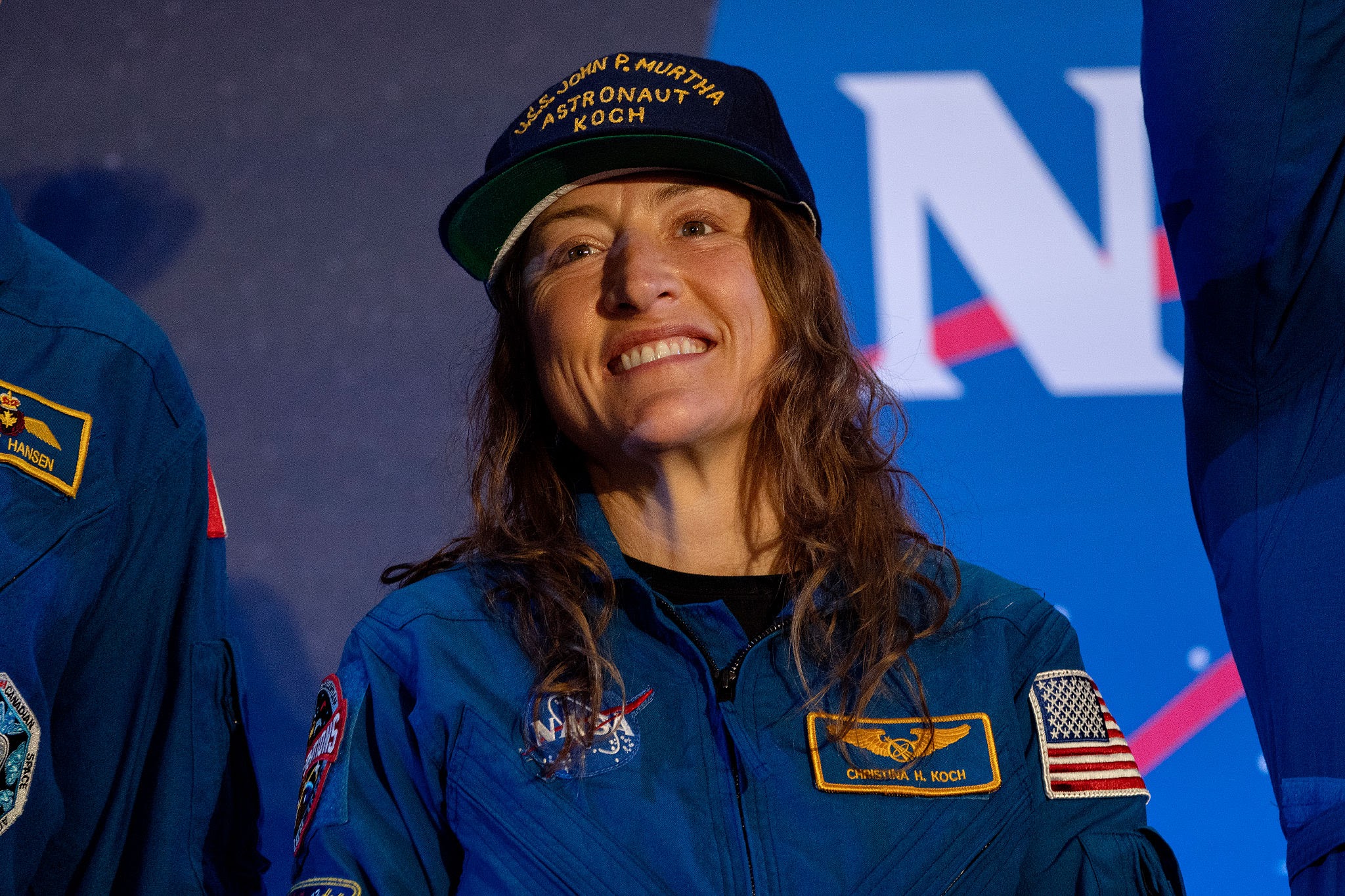
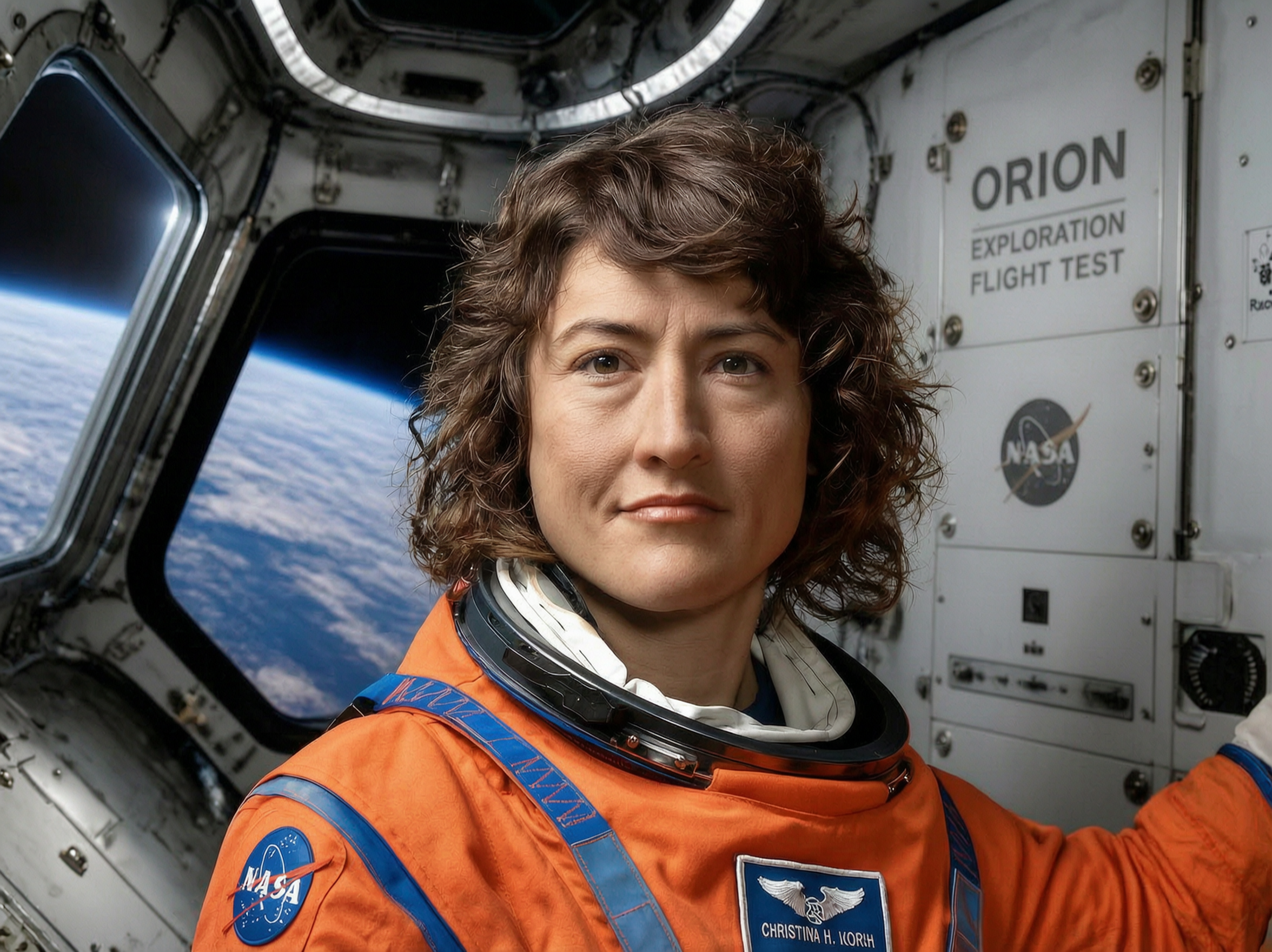
Christina Koch
Artemis
Christina Koch

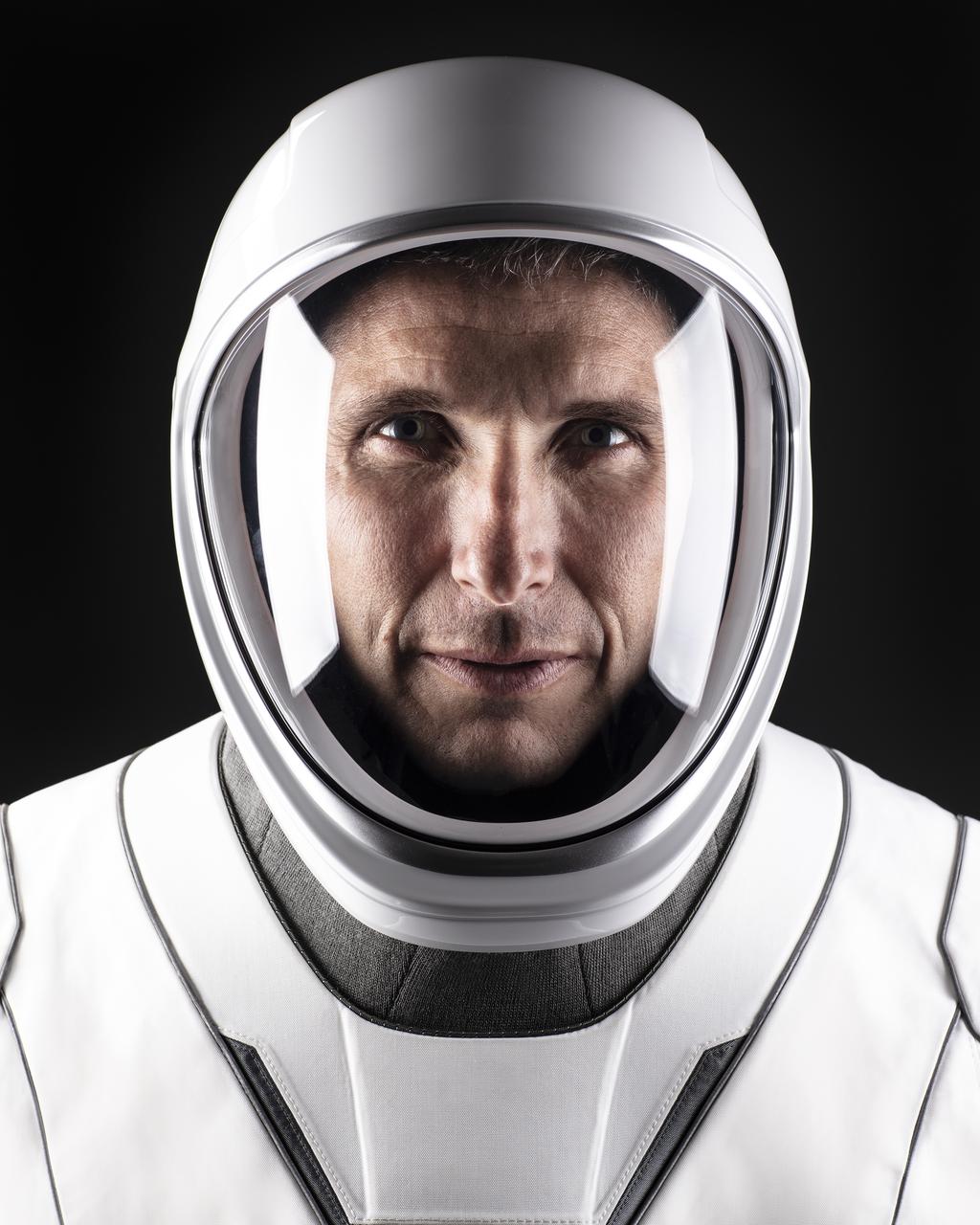
Christina H. Koch is a NASA astronaut and electrical engineer. Selected by NASA in 2013, she served as a flight engineer aboard the International Space Station for Expeditions 59, 60, and 61. She set the record for the longest single spaceflight by a woman, with 328 days in space, and participated in the first all-female spacewalk in October 2019. Before NASA she worked as a research engineer at NASA Goddard, supporting science instruments for missions including the Juno spacecraft. In 2023 she was named a mission specialist for Artemis II — set to become the first woman to travel to the Moon.

Talk to Christina →
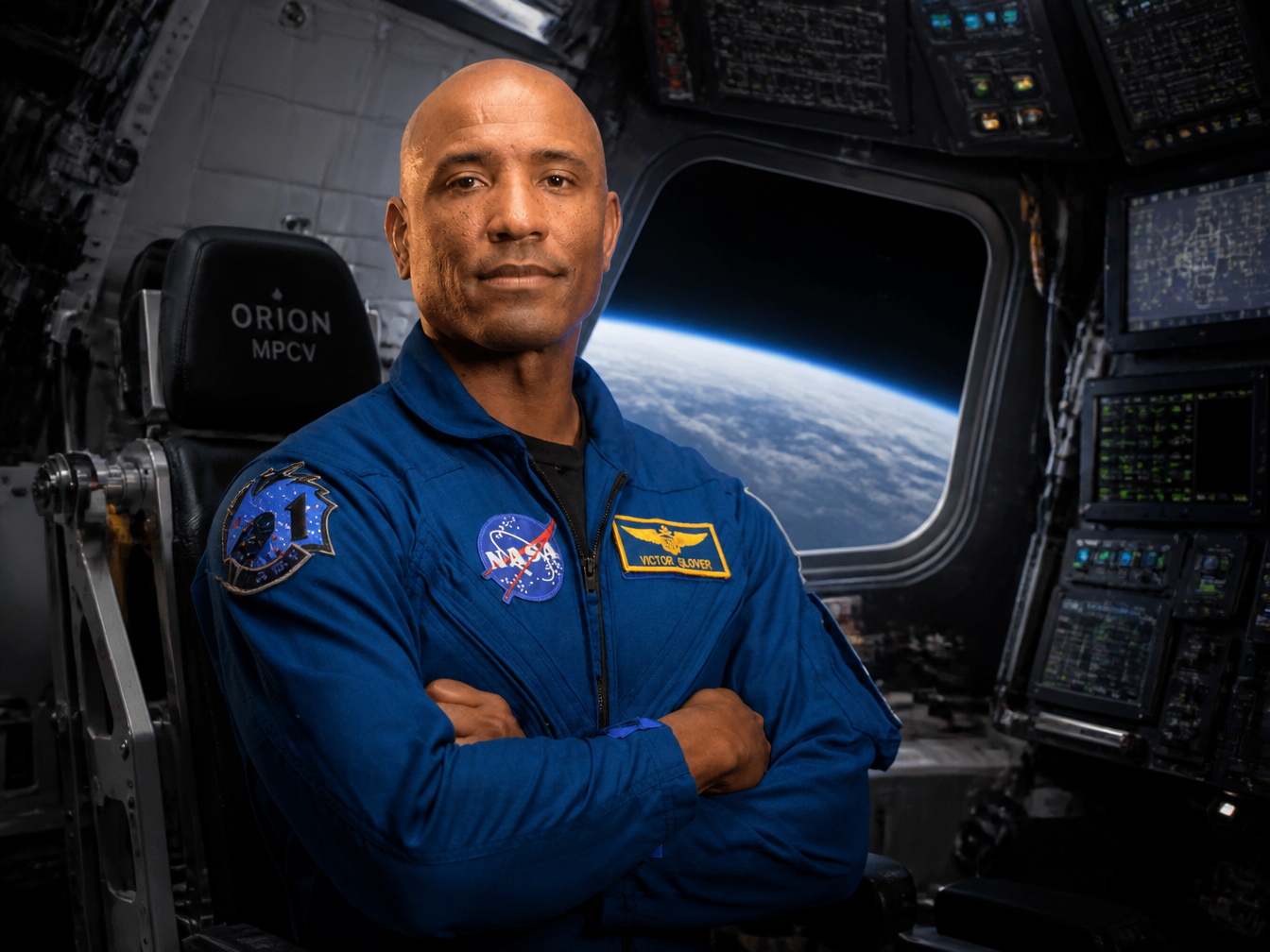
Victor Glover
Artemis
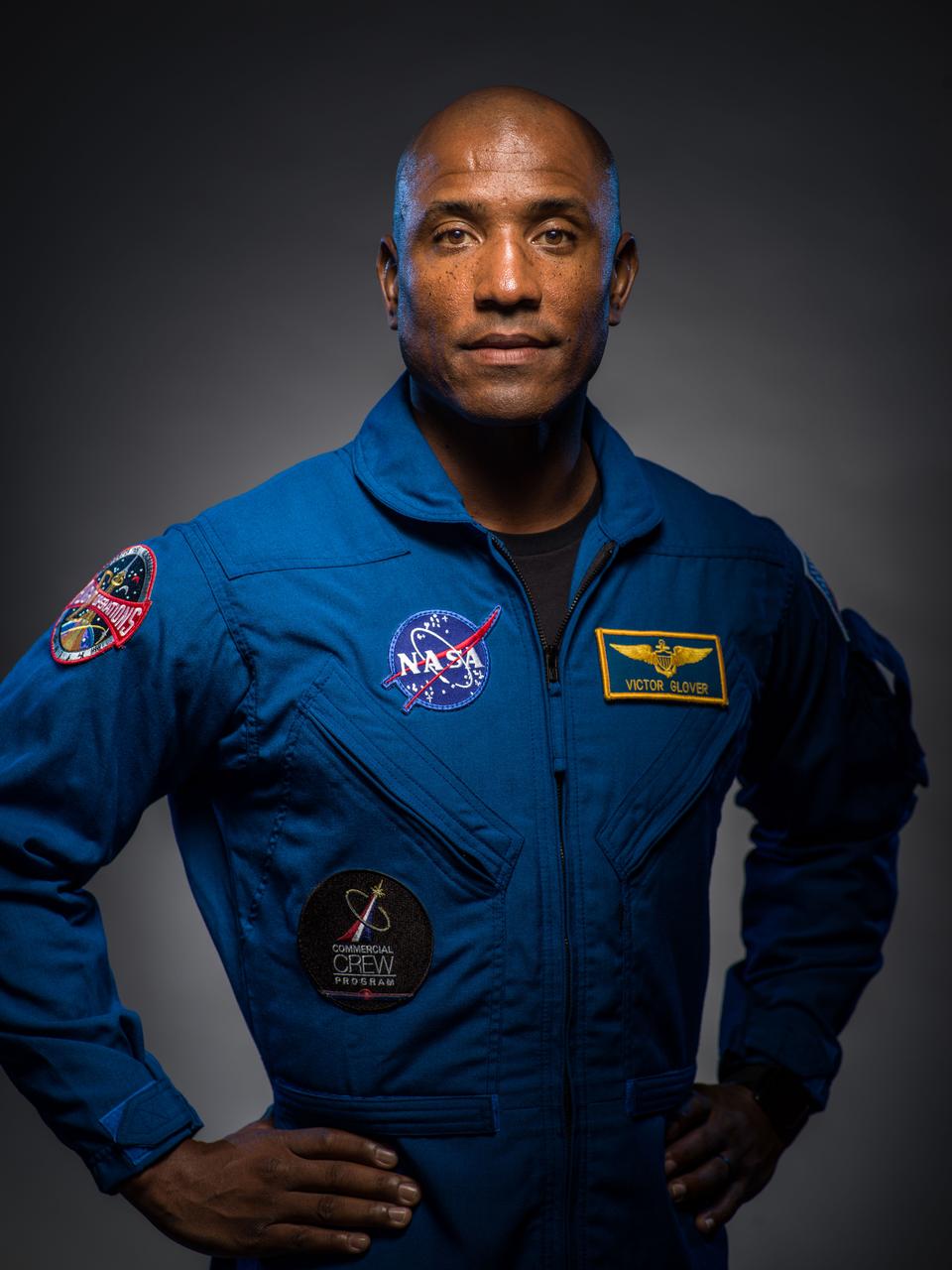
Victor Glover

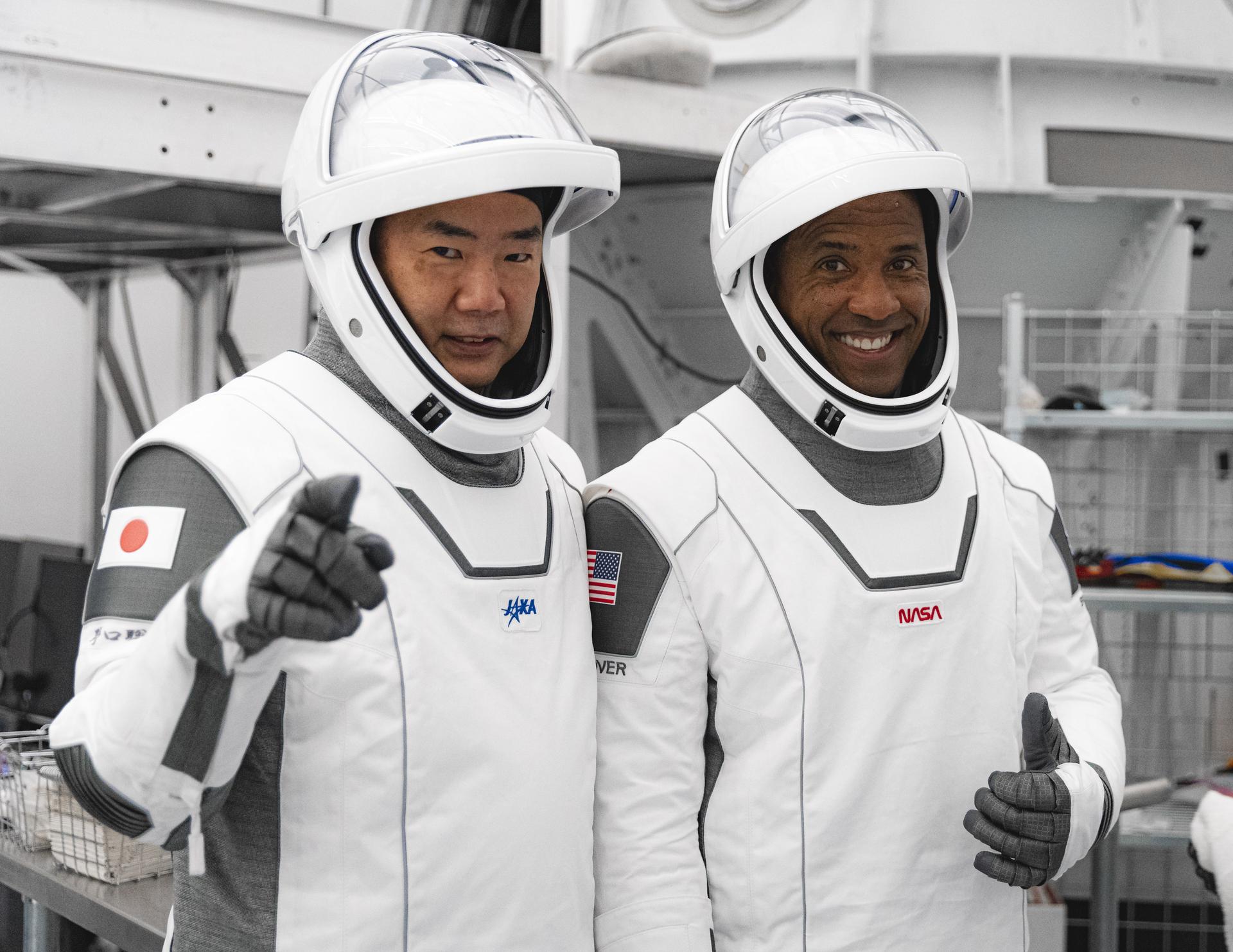
Victor J. Glover Jr. is a NASA astronaut and U.S. Navy captain. Selected by NASA in 2013, he served as pilot on NASA's SpaceX Crew-1 mission and as a flight engineer on the International Space Station for Expedition 64, completing 168 days in space and four spacewalks. In 2023 he was named pilot of Artemis II, becoming the first person of color assigned to a lunar mission. Before NASA, he was a Navy F/A-18 test pilot and graduated from the U.S. Naval Test Pilot School.

Talk to Victor →
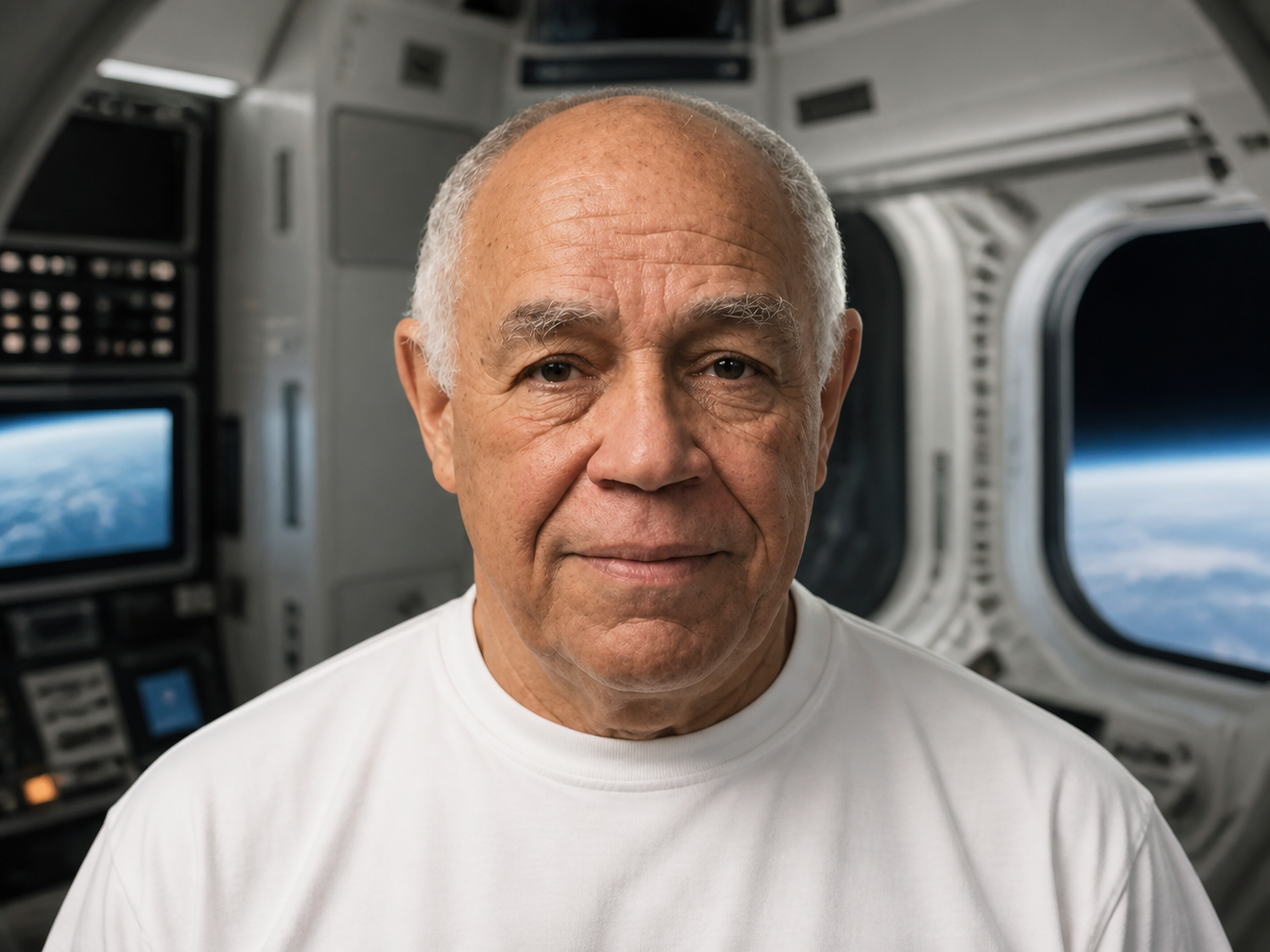
Frederick D. Gregory
Space Shuttle
Frederick D. Gregory

Frederick D. Gregory (Col., USAF, ret.) is a former NASA astronaut, former NASA Deputy Administrator (2002–2005) and former Acting NASA Administrator (Feb–Apr 2005). The first African American to pilot and to command a space shuttle, he flew on three Shuttle missions: STS-51B Spacelab-3 (pilot, 1985), STS-33 (commander, 1989) and STS-44 (commander, 1991). Born 7 January 1941 in Washington, D.C., he graduated from the U.S. Air Force Academy in 1964, flew over 550 combat missions as a helicopter rescue pilot in Vietnam, and qualified as a test pilot at Edwards before being selected to the 1978 NASA astronaut class.

Talk to Frederick →
Leroy Chiao
Shuttle / ISS
Leroy Chiao

Leroy Chiao is a retired NASA astronaut, chemical engineer, and former commander of the International Space Station. Born in Milwaukee in 1960 to Taiwanese immigrant parents, he earned his Ph.D. in chemical engineering from UC Santa Barbara and was selected by NASA in 1990 as the youngest member of his astronaut class. He flew on three Space Shuttle missions (STS-65, STS-72, STS-92) and commanded ISS Expedition 10 for six months in 2004–2005, becoming the first Asian American to command the space station. Across four spaceflights he logged more than 229 days in space and 36 hours over six spacewalks. Today he co-leads OneOrbit and advises the commercial spaceflight industry.

Talk to Leroy →
Reid Wiseman
Artemis
Reid Wiseman

Gregory Reid Wiseman (born November 11, 1975) is a NASA astronaut, naval aviator, engineer, and former Chief of the NASA Astronaut Office. Selected by NASA in 2009 (Group 20), he flew to the International Space Station as a flight engineer on Expedition 41 in 2014, spending 165 days in space. In April 2023 he was named commander of Artemis II — NASA's first crewed Artemis flight, a ~10-day lunar flyby aboard the Orion spacecraft, crewed alongside Pilot Victor Glover and Mission Specialists Christina Koch (NASA) and Jeremy Hansen (CSA). Artemis II will be the first mission to take humans beyond low Earth orbit since Apollo 17 in 1972.

Talk to Reid →
Jeremy Hansen
Artemis
Jeremy Hansen

Jeremy Roger Hansen is a Canadian Space Agency (CSA) astronaut and a colonel in the Royal Canadian Air Force. A former CF-18 fighter pilot, he was selected as a CSA astronaut in 2009 and graduated from NASA's astronaut candidate training in 2011. He has served in mission control as a CapCom, led NASA's 2017 astronaut class as a CSA training lead, and in 2023 was named a mission specialist on Artemis II — making him the first Canadian to travel beyond low Earth orbit and to the vicinity of the Moon.

Talk to Jeremy →
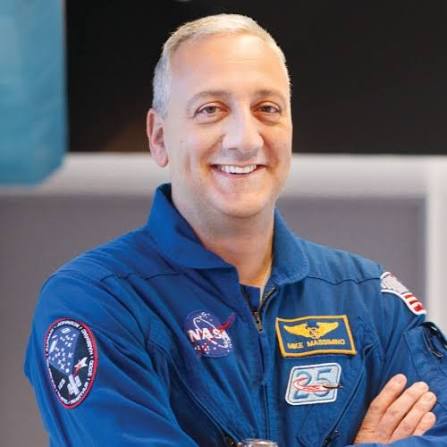
Mike Massimino
Shuttle
Mike Massimino

Michael J. Massimino, Ph.D. (born August 19, 1962, Oceanside, NY) is a former NASA astronaut, mechanical engineer, professor, author and television personality. He grew up in Franklin Square, Long Island, the son of a New York City fire inspector and an Italian-American Catholic family. After earning a B.S. in Industrial Engineering from Columbia University (1984) and four graduate degrees from MIT (M.S., Mechanical Engineer's degree, and Ph.D. in Mechanical Engineering, plus an M.S. in Technology & Policy), he was selected as a NASA astronaut in 1996 after applying four times. He flew two Space Shuttle missions to service the Hubble Space Telescope — STS-109 (Columbia, 2002) and STS-125 (Atlantis, 2009) — logging 571+ hours in space and 30+ hours of EVA across four spacewalks. He famously sent the first tweet from space in 2009 and led the daring "stripped bolt" repair of Hubble's STIS instrument. Since retiring from NASA in 2014, he has been Professor of Professional Practice at Columbia, Senior Advisor for Space Programs at the Intrepid Museum, host of Science Channel's The Planets and Beyond, and bestselling author of Spaceman (2016) and Moonshot (2023).

Talk to Mike →

Talk to a mission crew

Five missions that changed what humans can do in space. Pick a crew member to start a live conversation.

Artemis II crew

Talk to the Artemis II crew

Artemis Program · 2026

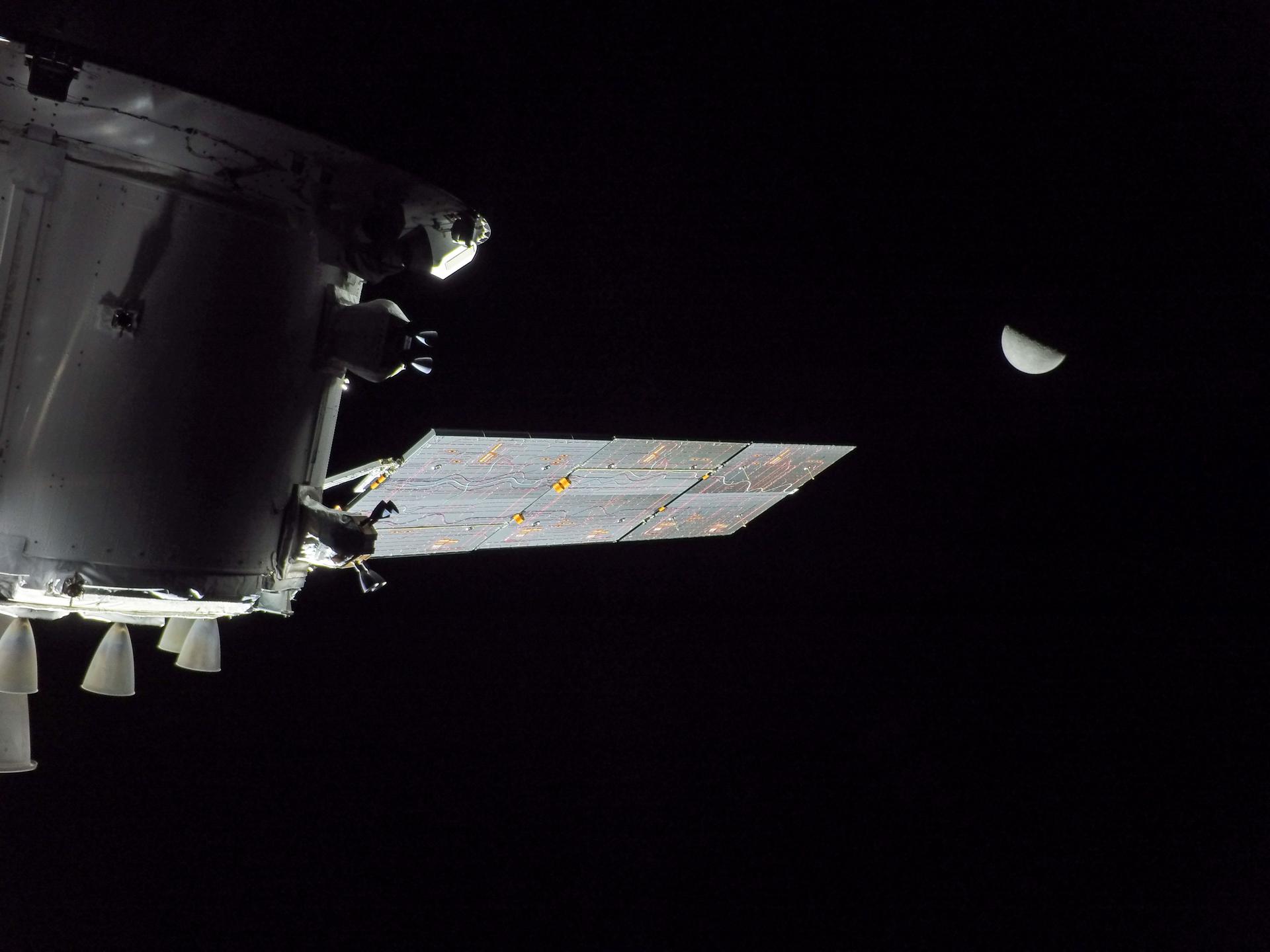
Artemis II is the first crewed flight of NASA's Artemis program. A four-person crew will fly aboard the Orion spacecraft, launched by the Space Launch System (SLS), on an approximately 10-day mission around the Moon and back — the first humans to travel to the lunar vicinity since Apollo 17 in 1972.

Mission details

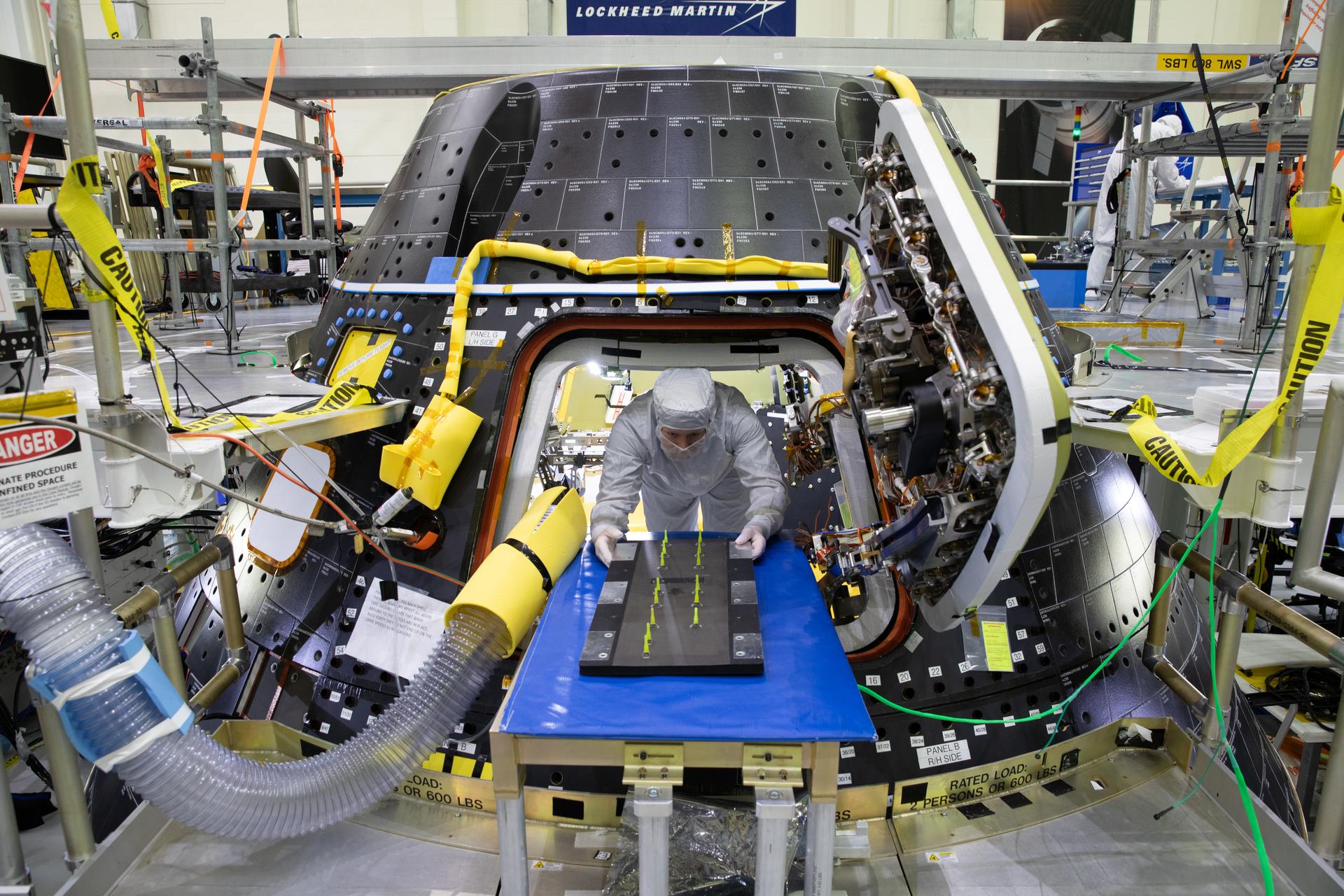
Artemis II is a roughly 10-day flight test that will send four astronauts on a free-return trajectory around the Moon aboard NASA's Orion spacecraft, launched on the agency's Space Launch System (SLS) rocket from Kennedy Space Center. The mission verifies Orion's life-support, communications, navigation, and crew systems in deep space, and is the first crewed flight under the Artemis program — laying the groundwork for the Artemis III lunar landing and a sustained human presence at the Moon.

Objectives: Verify Orion life support and crew systems in deep space; perform a piloted proximity-operations demo with the SLS upper stage; demonstrate communications and navigation beyond low Earth orbit; return safely from a lunar free-return trajectory.

  • profile: Lunar free-return flyby
  • crew size: 4
  • spacecraft: Orion
  • launch site: Kennedy Space Center, LC-39B
  • launch vehicle: Space Launch System (SLS) Block 1
  • duration days planned: 10

Sources: NASA, NASA, NASA

Artemis I crew

Talk to the Artemis I crew

Artemis Program · 2022

Artemis I (Nov 16 – Dec 11, 2022) was the first integrated, uncrewed flight test of NASA's Space Launch System rocket and Orion spacecraft — a 25-day, ~1.4-million-mile mission that sent Orion around the Moon and back to a Pacific Ocean splashdown.

Mission details

Artemis I launched on November 16, 2022, from Launch Complex 39B at Kennedy Space Center, marking the maiden flight of the Space Launch System (SLS) and the first deep-space test of the Orion spacecraft with a full systems profile. Orion traveled approximately 1.4 million miles, entered a distant retrograde orbit around the Moon, and splashed down in the Pacific Ocean off Baja California on December 11, 2022, after 25 days, 10 hours, 53 minutes — paving the way for the crewed Artemis II flight.

Objectives: Demonstrate Orion's heat shield at lunar-return velocities (~25,000 mph / ~5,000 °F); verify SLS performance and ground-systems integration; collect biology and radiation data with the "Moonikin" passenger payloads; return Orion safely to Earth.

  • profile: Distant retrograde lunar orbit
  • duration: 25 days, 10 hours, 53 minutes
  • spacecraft: Orion (uncrewed)
  • launch date: 2022-11-16
  • launch vehicle: Space Launch System (SLS) Block 1
  • splashdown date: 2022-12-11
  • distance traveled miles: 1400000

Sources: NASA, NASA, NASA

SpaceX Crew-1 crew

Talk to the SpaceX Crew-1 crew

Commercial Crew · 2020–2021

NASA's SpaceX Crew-1 was the first operational, post-certification crewed flight of the SpaceX Crew Dragon "Resilience." Four astronauts launched on Nov 15, 2020, lived aboard the ISS as part of Expedition 64, and splashed down on May 2, 2021 — the first nighttime US crewed splashdown since Apollo 8.

Mission details

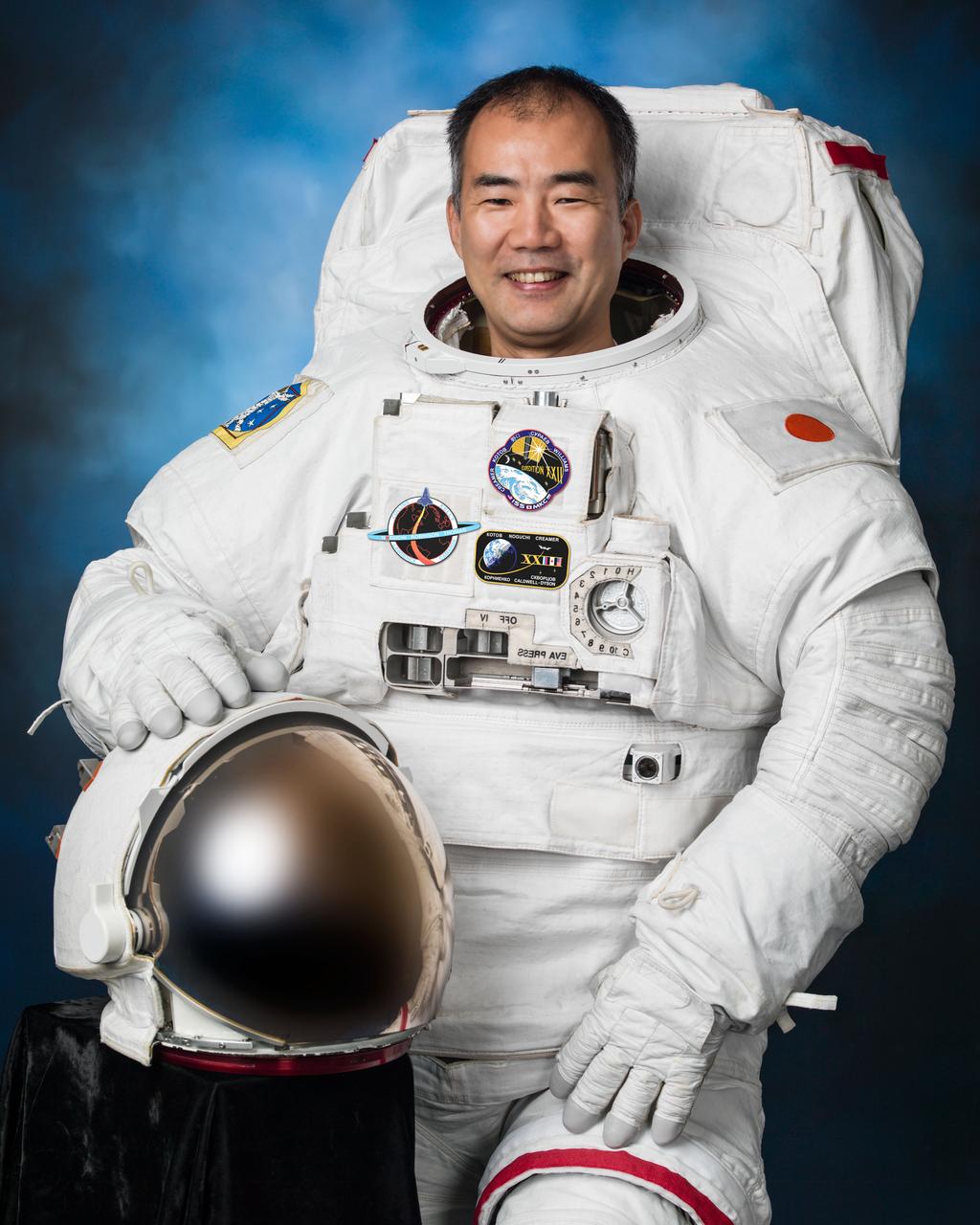
Crew-1 launched on November 15, 2020, from Launch Complex 39A at Kennedy Space Center aboard a SpaceX Falcon 9 rocket, carrying NASA astronauts Michael Hopkins, Victor Glover, and Shannon Walker, and JAXA astronaut Soichi Noguchi to the International Space Station for a roughly six-month long-duration expedition. It was the first NASA-certified crew rotation flight under the Commercial Crew Program, validating Crew Dragon for routine ISS service.

Objectives: Begin regular six-month crew rotations aboard the ISS using a US commercial provider; conduct ~150 science investigations and technology demonstrations during Expeditions 64/65; return four crew to a Gulf of Mexico splashdown.

  • first for: First operational Commercial Crew flight
  • spacecraft: Crew Dragon "Resilience"
  • launch date: 2020-11-15
  • duration days: 167
  • launch vehicle: Falcon 9
  • iss expeditions: 64, 65
  • splashdown date: 2021-05-02

Sources: NASA, NASA, NASA

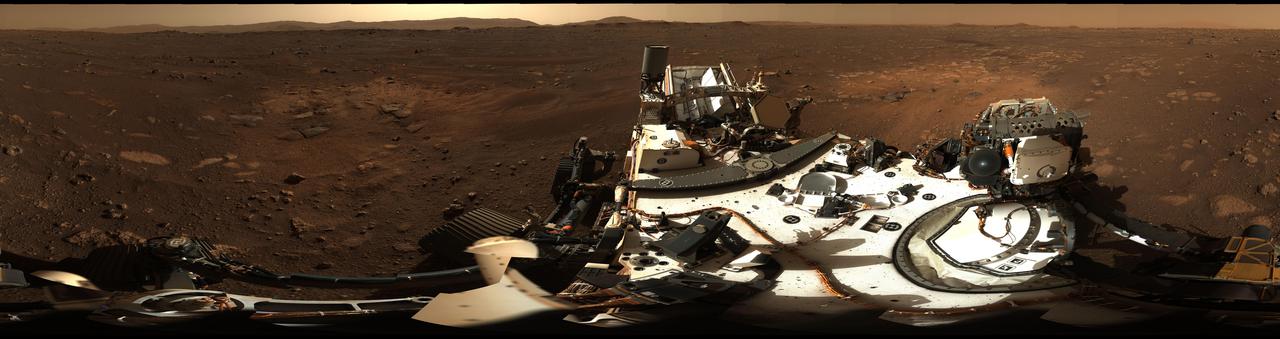
Mars 2020 — Perseverance & Ingenuity crew

Talk to the Mars 2020 — Perseverance & Ingenuity crew

Mars Exploration · 2020–2026

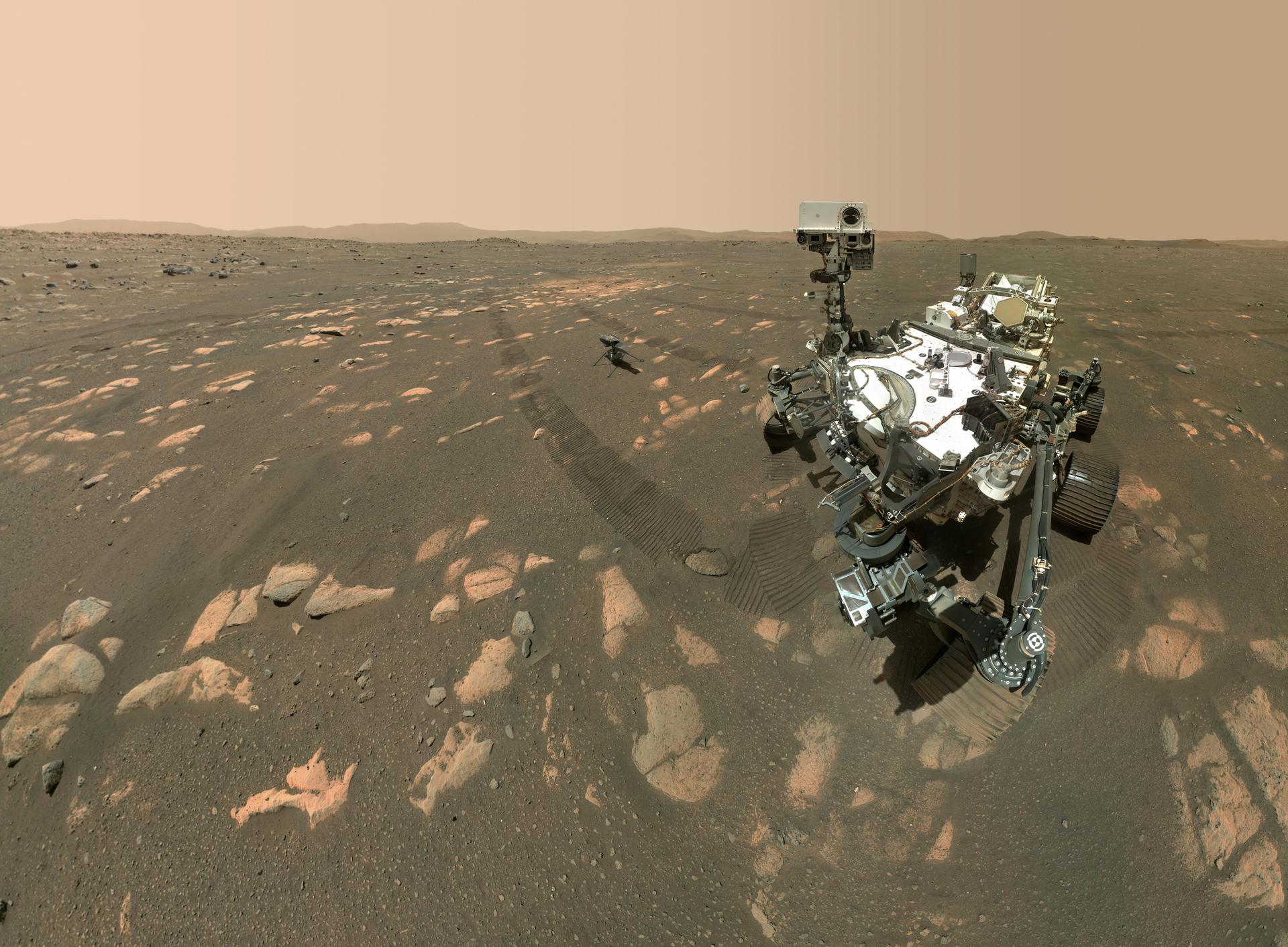
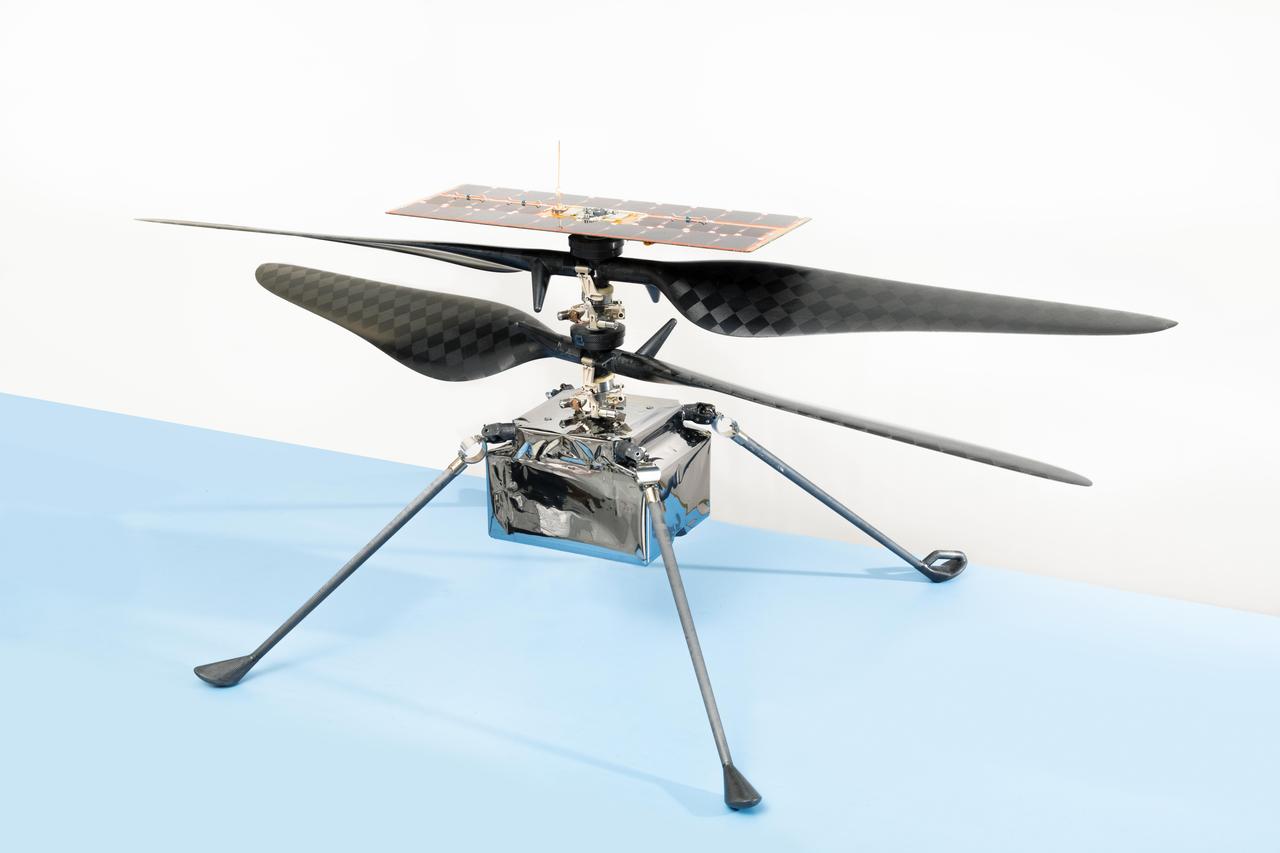
NASA's Mars 2020 mission delivered the Perseverance rover and the Ingenuity helicopter to Jezero Crater on Feb 18, 2021. Perseverance is searching for signs of ancient microbial life and caching samples for a future return to Earth, while Ingenuity demonstrated the first powered, controlled flight on another planet.

Mission details

Launched July 30, 2020 atop a ULA Atlas V from Cape Canaveral, the Mars 2020 mission landed Perseverance and Ingenuity in Jezero Crater — an ancient lakebed and river delta — on February 18, 2021. Perseverance carries seven science instruments to investigate astrobiology and geology, and is collecting and caching scientifically selected samples of Martian rock and regolith in titanium tubes for the planned Mars Sample Return campaign. The Ingenuity helicopter, originally a 30-day technology demonstration, completed 72 historic flights between April 19, 2021 and January 18, 2024.

Objectives: Seek signs of ancient microbial life on Mars; characterize Jezero Crater geology and past climate; cache returnable samples for Mars Sample Return; demonstrate technologies for future human exploration (MOXIE oxygen production, terrain-relative navigation); fly the first aircraft on another planet (Ingenuity).

  • first for: First powered flight on another planet
  • instruments: 7
  • launch date: 2020-07-30
  • landing date: 2021-02-18
  • landing site: Jezero Crater, Mars
  • rover mass kg: 1025
  • ingenuity flights: 72

Sources: NASA, NASA, NASA

James Webb Space Telescope crew

Talk to the James Webb Space Telescope crew

Flagship Observatory · 2021–2026

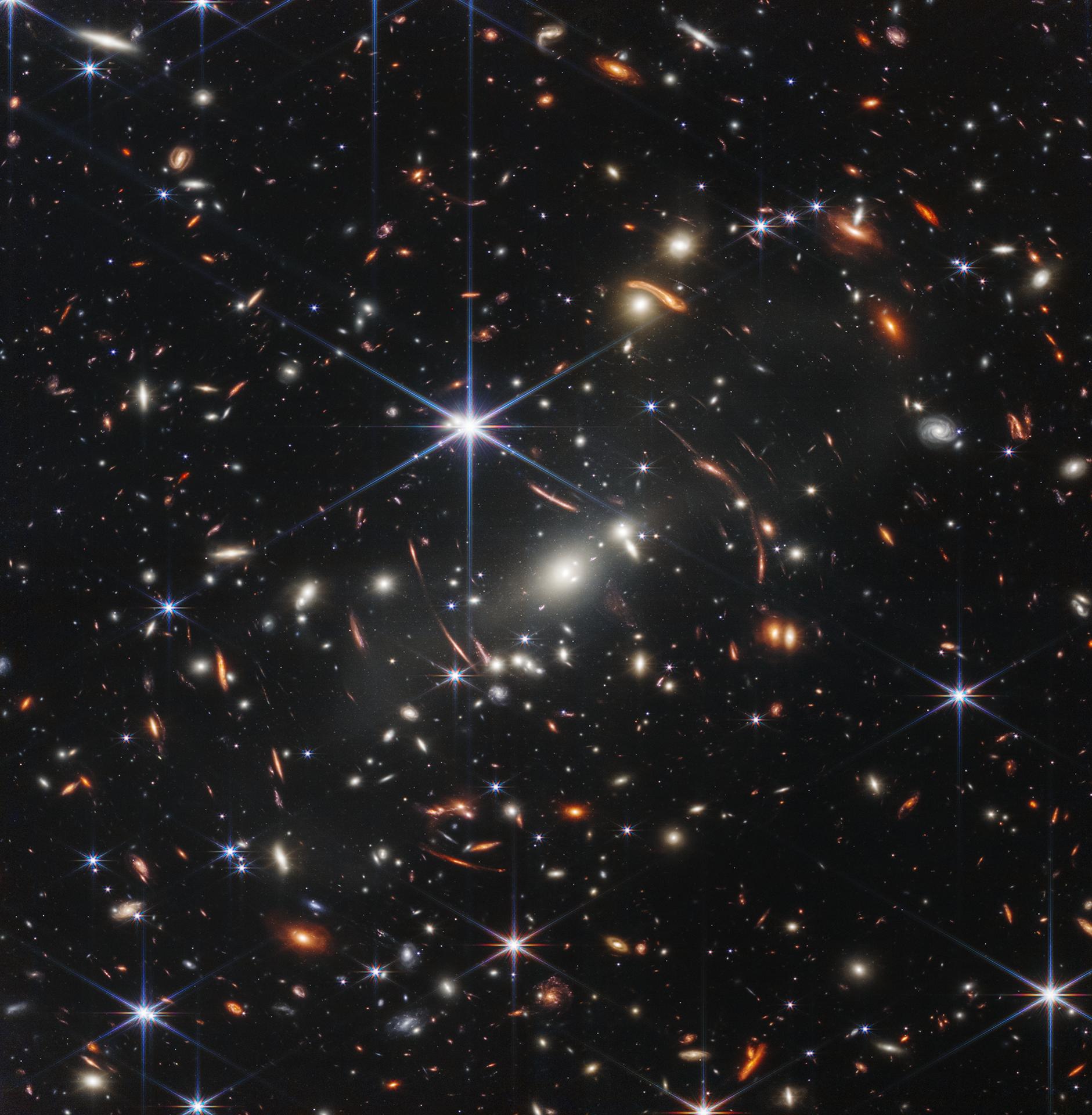
The James Webb Space Telescope (JWST) is NASA's flagship infrared observatory, launched Dec 25, 2021 on an Ariane 5 from Kourou, French Guiana, in partnership with ESA and CSA. From its orbit around the Sun-Earth L2 point, Webb studies every phase of cosmic history — from the first luminous glows after the Big Bang to atmospheres of exoplanets.

Mission details

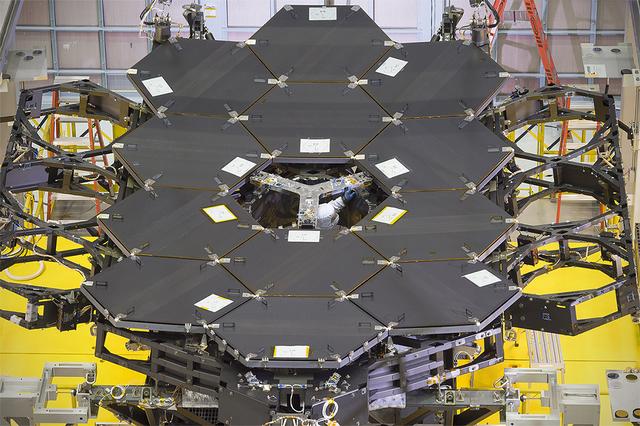
The James Webb Space Telescope launched on December 25, 2021 and reached its operational halo orbit around the Sun-Earth L2 Lagrange point about a million miles from Earth roughly 30 days later. Its 6.5-meter, 18-segment gold-coated beryllium primary mirror and four science instruments (NIRCam, NIRSpec, MIRI, and FGS/NIRISS) observe in the near- and mid-infrared, allowing Webb to peer through dust and back to the era when the first galaxies formed. Released July 12, 2022, Webb's first science images marked the start of an active, decade-plus general-observer program serving thousands of astronomers worldwide. It is an international collaboration led by NASA with the European Space Agency and the Canadian Space Agency.

Objectives: Observe the first galaxies that formed after the Big Bang; study how galaxies, stars, and planetary systems form and evolve; characterize exoplanet atmospheres and search for the building blocks of life; investigate objects within our own Solar System.

  • orbit: Sun-Earth L2 halo orbit (~1.5 million km from Earth)
  • partners: NASA, ESA, CSA
  • launch date: 2021-12-25
  • launch site: Kourou, French Guiana
  • launch vehicle: Ariane 5 ECA
  • mirror segments: 18
  • primary mirror m: 6.5
  • wavelength range: 0.6 to 28.5 microns (near- to mid-infrared)

Sources: NASA, NASA, NASA

Don't know where to start? Try one.

Tap a question and watch the astronaut answer you live.

Bring an astronaut into your classroom.

Open it on the projector. Let your students ask the questions. Watch a real astronaut answer them, live. Free, no sign-up, ready in one click.

Launch a session